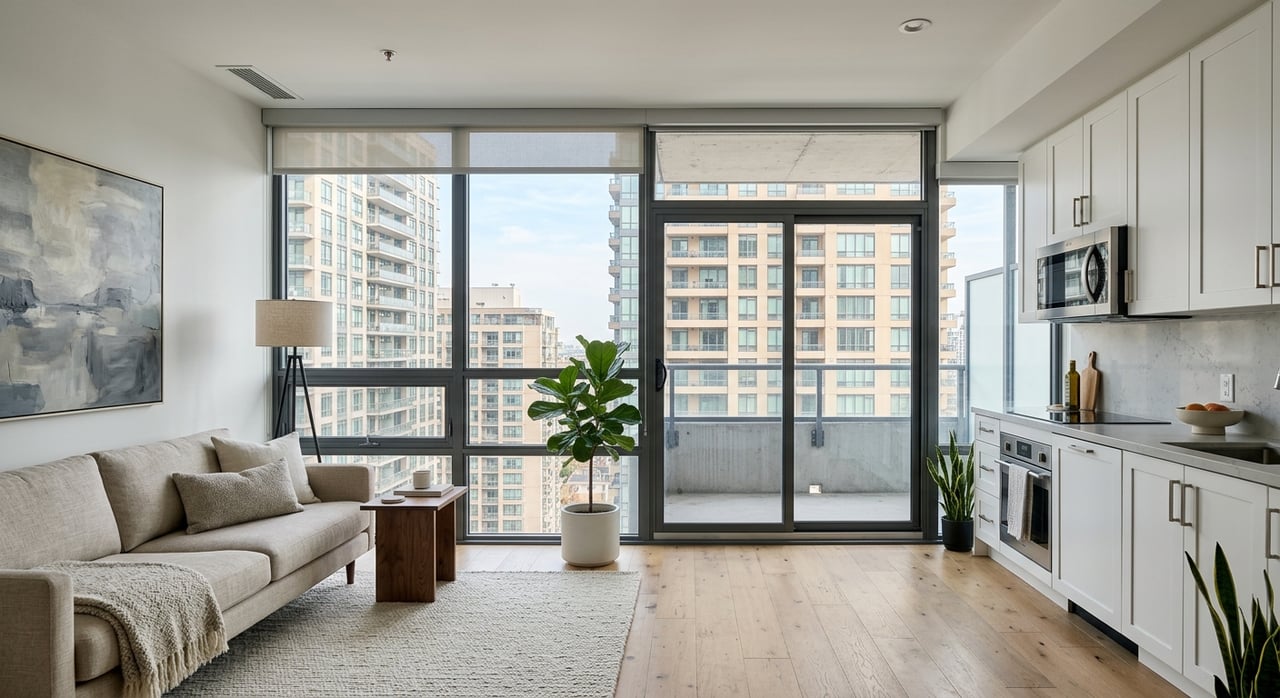
If you have ever pictured yourself waking up to a skyline view, walking to dinner, and hopping on transit without thinking twice about parking, Chicago high-rise condo living can feel like the city at its best. It also comes with real tradeoffs, from monthly assessments to building rules and a faster-paced environment. If you are trying to decide whether this lifestyle fits you, this guide will help you understand what daily life is really like in a Chicago high-rise condo. Let’s dive in.
Where Chicago high-rise living stands out
Chicago’s classic high-rise condo lifestyle is most concentrated in the Loop, River North, Streeterville, Gold Coast, South Loop, and West Loop/Fulton Market. Each area offers a slightly different version of downtown living, which matters when you are choosing not just a unit, but a daily routine.
In the Loop, you are in Chicago’s official downtown area and central business district, surrounded by major architecture, the Chicago Riverwalk, Millennium Park, and the Chicago Cultural Center. In River North, the vibe tends to revolve more around galleries, nightlife, bars, and music venues.
Streeterville puts you close to Navy Pier, Ohio Street Beach, the Lakefront Trail, and the Museum of Contemporary Art. The Gold Coast is known for its lake-adjacent setting, restaurants, boutiques, and Rush Street activity.
In the South Loop, you are near Museum Campus, Motor Row, jazz clubs, and historic districts. The West Loop and Fulton Market area are especially known for dining, converted warehouse spaces, and a strong food-and-drink scene.
What everyday life feels like
Views become part of your routine
One of the biggest draws of a Chicago high-rise condo is simple: the view can shape your entire living experience. In many buildings, skyline, river, and lake views are not just a bonus. They are central to the appeal.
Recent Chicago high-rise development has continued to market around this idea. For example, The Reed in Southbank highlights views of the downtown skyline, nearby park and river, and Lake Michigan. In practical terms, that often means your morning coffee, work-from-home setup, or evening wind-down comes with a visual connection to the city.
The lakefront is part of daily life
If you live in the right part of the city, the lakefront is more than scenery. It becomes part of how you move, exercise, and spend your free time.
According to the Chicago Park District’s Lakefront Trail information, the trail is used for commuting, running, biking, and strolling, and has become an active transportation route for many Chicagoans. The city’s beaches are also free, with seasonal lifeguard coverage during beach season. For many condo owners, that means a quick workout, a bike ride, or a walk by the water can fit naturally into a regular weekday.
Getting around can be easier
Transit access is a major reason many buyers look at downtown condos in the first place. Chicago’s transit network can make it realistic to live with fewer car trips, or in some cases, without a car at all.
The CTA notes that it can get riders across Chicago and to 35 surrounding communities, and the Blue Line provides 24-hour service through downtown with direct airport access. If you travel often, commute downtown, or prefer not to rely on driving for every errand, that convenience can be a real quality-of-life upgrade.
Culture stays close to home
High-rise condo living in Chicago often puts you near public spaces, events, dining, and cultural attractions. Instead of planning a full outing, you may find that a museum visit, concert, riverfront dinner, or seasonal festival is simply part of your neighborhood rhythm.
The Loop, for example, offers the Riverwalk, Art on theMART, Millennium Park, and the Chicago Cultural Center. The South Loop adds Museum Campus and water-taxi access. If you enjoy having things to do within a short walk or ride, this is one of the strongest advantages of the lifestyle.
What full-service buildings offer
Many Chicago high-rises feel a bit like self-contained communities. Depending on the building, you may find amenities that support convenience, work, fitness, and entertaining without leaving home.
Recent Chicago examples show amenity packages that can include:
- Pool decks
- Fitness centers
- Resident lounges
- Flexible workspaces
- Bike storage
- Private garage parking
- Rooftop terraces
- Doorman or concierge services
For example, The Reed includes a resort-style pool deck, indoor and outdoor fitness space, lounges, work areas, and private garage parking. The same source notes that Bentham in River North offers features such as a 24-hour doorman, concierge services, bike storage, and dry-cleaning dropoff.
That level of service can make everyday life easier, especially if you value convenience and a more polished building experience. It can also be helpful if you work long hours, travel frequently, or want amenities close at hand.
What monthly costs really include
The biggest surprise for many first-time condo buyers is that the monthly payment is not just about the mortgage. In a high-rise, your total carrying cost often includes several moving parts.
The CFPB explains that condo or HOA dues are generally paid separately from the mortgage, and fees can range from a few hundred dollars a month to more than $1,000. In a Chicago high-rise, that means you may be budgeting for your loan payment, assessments, and possibly extras like parking or storage.
Why assessments matter
Monthly assessments are not random. The Foundation for Community Association Research explains that these fees can support operations, professional services, amenities, reserves, utilities, staff, insurance, security, cleaning, and major replacements.
That is why two condos with similar list prices can feel very different financially from month to month. A building with more services, more staff, and more amenities often has a cost structure that reflects that.
Special assessments are part of the picture
In Illinois, buyers also need to understand the possibility of special assessments. The Illinois Department of Financial and Professional Regulation notes that a condo board can generally adopt a special assessment without unit-owner approval, with certain exceptions, and that owners may begin a rejection process if a board-imposed special assessment exceeds 115% of the prior year’s assessments.
The practical takeaway is simple: monthly dues are important, but they are not the only number you should review. Building reserves, maintenance needs, and governance also matter when you are evaluating long-term affordability.
The tradeoffs to expect
Density is part of the experience
Chicago high-rise living offers convenience, but it also comes with a more urban level of activity. In neighborhoods known for restaurants, nightlife, tourism, or major attractions, you should expect more foot traffic and more city energy than you would in a quieter low-rise area.
That does not mean every condo feels busy all the time. In many cases, higher floors, interior-facing units, and buildings farther from nightlife corridors can feel noticeably calmer.
Building rules shape daily living
A condo building is a shared environment, which means your lifestyle is partly influenced by the building’s rules, systems, and management. That may include policies around move-ins, pets, guest procedures, package handling, amenity reservations, and renovation timing.
For many buyers, that structure is a fair trade for convenience and professional management. The key is making sure the building’s setup matches how you actually live.
Who this lifestyle fits best
A Chicago high-rise condo can be a strong fit if you value walkability, views, transit access, lakefront recreation, and amenities. It can also make sense if you want a home base that supports a busy work schedule or a low-maintenance city lifestyle.
On the other hand, it may feel less comfortable if you want very low monthly overhead, more privacy from neighbors, or a quieter setting by default. The right choice often comes down to how you balance convenience and service against cost and density.
How to evaluate a Chicago high-rise condo
When you tour buildings, it helps to look beyond the unit itself. A beautiful kitchen or a dramatic view matters, but so does the building’s full financial and lifestyle picture.
Here are a few smart questions to keep in mind:
- What do the monthly assessments cover?
- Are there upcoming major repairs or projects?
- Has the building had special assessments?
- What amenities do you expect to use regularly?
- Is parking included, leased separately, or not available?
- How does the location feel during both daytime and evening hours?
- Does the building’s pace and policy structure fit your routine?
If you are buying in Chicago, this kind of building-level review can be just as important as comparing list prices.
Choosing the right high-rise condo is really about matching your everyday habits with the right building and location. When that fit is there, city living can feel incredibly efficient, exciting, and easy to enjoy. If you want help comparing neighborhoods, buildings, and monthly ownership costs, Kui Hu can guide you through the process with clear, tailored advice.
FAQs
What is daily life like in a Chicago high-rise condo?
- Daily life often includes walkability, access to transit, skyline or lake views, and close proximity to dining, cultural attractions, and the lakefront, depending on the building and neighborhood.
What neighborhoods are known for Chicago high-rise condos?
- The lifestyle is especially common in the Loop, River North, Streeterville, Gold Coast, South Loop, and West Loop/Fulton Market.
What do Chicago high-rise condo assessments usually cover?
- Assessments may fund building operations, staff, amenities, insurance, utilities, cleaning, security, professional services, and reserve funds for future repairs or replacements.
What is a special assessment in an Illinois condo building?
- A special assessment is an additional charge that may be imposed when a building needs funding beyond regular assessments, often for major repairs or underfunded reserves.
Can you live in Chicago high-rise condos without relying on a car?
- In some downtown locations, yes. CTA access, including 24-hour Blue Line service through downtown and direct airport access, can make car-light or car-free living realistic for many residents.
What are the tradeoffs of living in a Chicago high-rise condo?
- The most common tradeoffs are monthly assessments, possible special assessments, building rules, and a denser, more active urban environment than you may find in lower-density residential areas.
