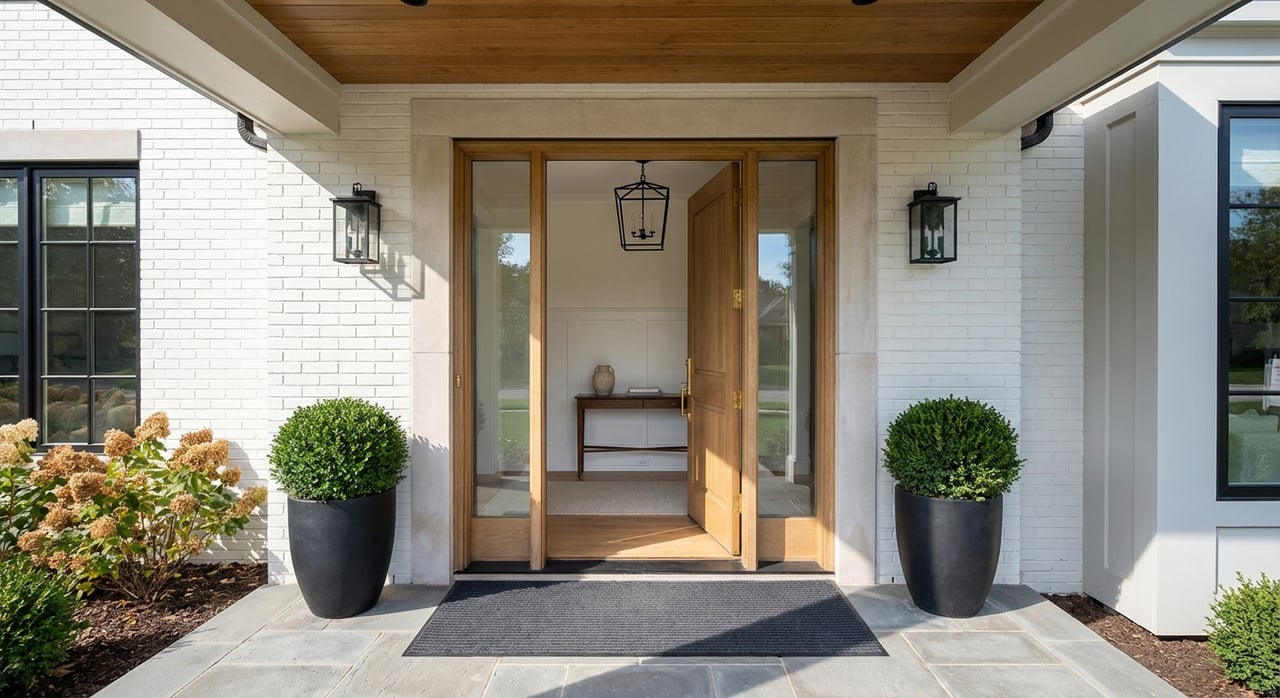
If you are preparing to sell a luxury home in Naperville, you want a plan that protects your privacy, showcases your property at its best, and delivers a smooth closing. You also want straight talk about pricing, buyer expectations, and timing so you can move forward with confidence. In this guide, you will learn how upper-tier homes trade in Naperville, how to prepare for premium presentation, and how a boutique, high-touch process keeps stress low while results stay high. Let’s dive in.
Naperville luxury market at a glance
Naperville’s city-level median sale price sits in the low to mid six hundreds, which helps set the local scale. In this context, many sellers think in tiers. A practical approach is to define luxury by percentile. If your home falls in the top 5 to 10 percent of local sales, it is positioned in the upper tier for Naperville.
Neighborhoods with consistent upper-end inventory include golf-club and gated communities and large-lot custom builds. Properties in these enclaves often reach seven figures. That said, the best price target for any listing comes from a custom CMA that studies recent comparable sales in your sub-neighborhood.
Know your likely buyers
Family buyers and school district draw
Many upper-tier buyers in Naperville are families who prioritize schools and neighborhood amenities. Naperville Community Unit School District 203 is a frequent reason buyers place the city on their short list. You will want marketing that calls out proximity to schools and community resources in neutral, factual terms. Learn more about the district on the Naperville 203 website.
Executives, professionals, and relocations
Local and regional executives, tech and healthcare professionals, and medical practitioners also drive demand. Naperville’s household incomes trend well above national figures, which supports strong qualification rates for premium properties. See local income insights from Neilsberg.
Move-up buyers and downsizers
You will also see move-up buyers seeking extra space, golf or club amenities, and newer construction. At the same time, downsizers often value privacy and minimal showings. Both groups respond to a curated, low-friction experience that respects time and expectations.
Prepare for premium presentation
First impressions carry significant weight with upper-tier buyers. Focus on the spaces and visuals that communicate quality, flow, and lifestyle.
Staging that pays off
Professional staging remains one of the highest-impact steps you can take. Industry reporting shows staged homes often sell faster and can justify stronger pricing. Typical budget ranges vary by scope and size. National coverage suggests the following guidelines, which you can calibrate with local bids:
- Consultation or light occupied staging: about $1,500 to $5,000.
- Full occupied staging for a larger home: about $4,000 to $12,000.
- Vacant luxury or estate-level staging: about $8,000 to $30,000 or more.
For more detail on typical costs and variables, review this Bankrate overview of staging costs. In Naperville, sellers often prioritize the kitchen, main living areas, primary suite, key baths, and outdoor entertaining zones.
Pre-list inspections and repairs
In the upper tier, a pre-list inspection or targeted inspections for roof, HVAC, pool, or structure can reduce renegotiation risk. When comparables are limited, clean documentation on condition helps anchor price and protect timelines. Pair that with a short repairs list or a simple credit approach to keep momentum.
Photography, video, and floor plans
Upper-tier buyers expect premium imagery. Plan for twilight photography, drone coverage for larger lots, and a clear floor plan or 3D tour. Visuals should show natural light, room scale, and how entertaining areas connect. Small media upgrades often deliver outsized returns.
Choose your marketing exposure
You can sell privately, publicly, or in a measured blend. The right plan depends on your privacy preferences, property uniqueness, and timing.
Privacy-first options and compliance
Some sellers prefer a discreet window before a full launch. Under the National Association of REALTORS Clear Cooperation framework, private or office-exclusive approaches may be lawful when a seller requests limited exposure, but they carry tradeoffs. If any public marketing occurs, MLS submission rules apply on a short timeline. Read more about pocket listings and policy context in this NerdWallet overview.
If you choose a limited-exposure period, treat it as a structured plan with written consent and clear guardrails:
- Define a short private window, often 7 to 14 days.
- Share within a controlled network and host invitation-only previews for pre-vetted buyers.
- Use gated digital tours that require agent credentials or inquiries.
- Set a documented pivot to full MLS if certain price or offer-quality criteria are not met.
This approach protects privacy while preserving a path to maximum competition if needed.
Full-market launch for maximum reach
If you prefer full exposure from day one, prepare a polished MLS launch across distribution channels. Pair premium listing media with a focused message that highlights location, amenities, and lifestyle. When done well, the result is stronger competition and clearer appraisal support.
Lead with negotiation and offer management
Price matters, but the best offer is often the one that balances net proceeds with certainty and timing. A boutique broker can structure a clean, side-by-side comparison so you can choose with confidence.
How we compare offers
Evaluate offers with a simple matrix:
- Net proceeds after commissions and fees.
- Financing certainty: cash or fully underwritten loan.
- Appraisal gap provisions and earnest money strength.
- Inspection timeline and scope.
- Close date, occupancy, and any leaseback.
- Non-price terms: contingency waivers, confidentiality language, or unique requests.
A firm offer-review window helps stack offers at once so you can compare apples to apples.
Reduce appraisal and inspection risk
In price bands with limited comparables, encourage buyers to include appraisal-gap coverage or larger earnest money. A short, well-documented gap addendum can help prevent fallout. If you completed pre-list inspections, you can often shorten buyer inspection periods or offer a straightforward credit to keep the deal moving.
Legal and tax checklist in Illinois
Luxury listings need the same legal precision as any residential sale, with added attention to documentation and privacy.
Required disclosures
Illinois law requires most sellers to complete the Residential Real Property Disclosure Report. Review the statute text in the Illinois Residential Real Property Disclosure Act. Sellers also have a continuing duty to supplement if new material facts arise. Exemptions exist in certain transfer types, so confirm your status in writing.
Radon and lead guidance
Illinois requires delivery of radon information before a buyer is bound by contract. Review practical guidance on radon forms and timing from the Chicago Association of REALTORS. For homes built before 1978, federal lead-based paint disclosures and the EPA pamphlet are required.
Capital gains basics
If the property is your primary residence and you meet use and ownership tests, you may exclude up to $250,000 of gain, or up to $500,000 if married filing jointly. See the IRS summary of the exclusion in Topic No. 701. Always consult a CPA for personalized tax planning.
A smooth, high-service timeline
A clear timeline lowers stress and helps you control outcomes.
Pre-listing: 2 to 4 weeks
- Price study and CMA using a percentile lens for your sub-market.
- Book vendors: stager, photographer, 3D tour, drone, and key contractors.
- Complete disclosures and collect radon, lead, title, and HOA documents.
- Decide on a private window. If yes, document duration and a pivot plan.
Launch and showings: 0 to 3 weeks
- Capture professional photos, twilight, and video.
- If desired, host an invite-only preview for qualified buyers and trusted agents.
- Syndicate broadly on MLS after private window or immediately if you choose full exposure.
Offers and negotiation: 1 to 2 weeks
- Set a firm offer deadline and review a scored comparison of top offers.
- Negotiate on net, certainty, and timing. Use best-and-final as needed.
Under contract to close: 30 to 45 days
- Coordinate inspections, appraisal access, and any agreed repairs or credits.
- Maintain one-point communication with weekly status updates.
- Work with an experienced title and escrow partner to clear issues early.
Partner with a boutique Naperville expert
Selling in the top 5 to 10 percent of the Naperville market requires more than a sign and a listing. You deserve a data-backed price strategy, polished presentation, and a privacy-minded plan that protects your time while expanding your options. That is the boutique model: careful orchestration, proactive communication, and negotiation leadership from pre-list through close.
If you are considering a sale, request a free valuation and a tailored strategy session. You will leave with a clear plan, whether you choose a discreet preview period, a full-market launch, or a hybrid approach. Start the conversation with Kui Hu today.
FAQs
What defines a luxury home in Naperville?
- In Naperville, a practical way to define luxury is by percentile, with homes in roughly the top 5 to 10 percent of local sales considered upper tier, confirmed by a custom CMA for your sub-neighborhood.
How should I price a luxury home in Naperville?
- Use a data-backed CMA that weights recent, nearby comparables and a percentile threshold, then refine for condition, lot size, updates, and amenities to set a confident target range.
Do I need to stage a high-end home to sell?
- Professional staging can shorten days on market and support stronger pricing; budget ranges vary by scope, and national reporting on staging costs offers helpful benchmarks.
Can I sell my luxury home privately in Illinois?
- Yes, you can request an office-exclusive or limited-exposure window with written consent, but if any public marketing occurs, MLS submission rules apply; see this overview of pocket listings for context and tradeoffs.
What disclosures are required for Illinois home sellers?
- Most sellers must complete the state’s Residential Real Property Disclosure Report and provide radon and, for pre-1978 homes, lead-based paint disclosures; review the Illinois disclosure statute and radon guidance.
How do capital gains taxes work when I sell my home?
- If the property is your primary residence and you meet ownership and use tests, you may exclude a portion of your gain; the IRS explains details in Topic No. 701, and a CPA can advise on your situation.
