If your home is going on the market soon, preparation can have a real impact on how buyers respond. In Plainfield, homes are still selling, but current market snapshots show inventory levels and selling timelines that make presentation, pricing, and condition matter. When buyers have options, the homes that feel clean, cared for, and easy to picture living in tend to stand out. Let’s dive in.
Why prep matters in Plainfield
Plainfield is active, but it is not a market where every home sells instantly regardless of condition. As of April 2026, Realtor.com reported 542 homes for sale, a median listing price of $449,000, median days on market of 25, and a sale-to-list price ratio of 100%. Redfin’s March 2026 snapshot showed a median sale price of $475,000, median days on market of 73, and 3 offers on average.
Those numbers are not identical because the platforms track the market differently. Still, they point to the same practical takeaway: buyers are comparing homes over a period of weeks, not hours, and they are paying attention to condition, photos, and pricing discipline.
Preparation also should match your specific part of Plainfield. Realtor.com shows different median listing prices by ZIP code, from $385,900 in 60544 to $599,949 in 60585. That means your prep plan should fit your home’s price band and likely buyer expectations, not a one-size-fits-all citywide formula.
Focus on the updates buyers notice
You do not need to renovate everything before you sell. In fact, seller prep is often most effective when you focus on the items that reduce buyer doubt instead of chasing major last-minute remodels.
According to the National Association of Realtors 2025 Profile of Home Staging, the most common seller prep steps were decluttering the home, cleaning the entire home, and improving curb appeal. The same guidance points to paint touch-ups, minor repairs, carpet cleaning, grouting, landscaping, and depersonalizing as common improvements that help a home show better.
For many Plainfield sellers, that means your best return may come from practical, visible work such as:
- Removing excess furniture and clutter
- Deep cleaning floors, windows, walls, and light fixtures
- Touching up chipped paint
- Re-caulking worn areas in kitchens and baths
- Cleaning grout and carpets
- Fixing loose handles, doors, or fixtures
- Refreshing landscaping and front entry details
These updates help buyers focus on the home itself instead of creating a mental list of small repairs.
Start with a clean, neutral look
A clean home sends a simple message: this property has been cared for. That matters in person, and it also matters in listing photos where dust, heavy decor, crowded surfaces, and stained finishes can stand out quickly.
NAR consumer guidance notes that sellers are not required to make cosmetic updates, but cleaning windows, carpets, lighting fixtures, and walls, along with storing away clutter, can improve both photos and showings. If you only have time for a few things, deep cleaning and decluttering should move to the top of your list.
Neutral does not mean empty or cold. It means creating enough visual space so buyers can notice room size, light, layout, and finishes without distraction.
Make curb appeal work harder
Your exterior sets expectations before a buyer ever walks inside. It is your first showing and often your first photo.
NAR’s consumer guide highlights landscaping, the front entrance, and paint as curb appeal details that matter for both online presentation and in-person visits. In Plainfield, where buyers may be comparing several homes in one weekend, a trimmed yard and welcoming entry can help your home feel move-in ready from the start.
A few simple curb appeal steps can go a long way:
- Trim shrubs and edge the lawn
- Remove weeds and dead plant material
- Sweep the porch, walkway, and driveway
- Clean the front door and surrounding trim
- Replace or refresh worn mulch where needed
- Touch up visible exterior paint if appropriate
You do not need an elaborate landscaping project. You need a neat, cared-for appearance that supports the rest of your pricing and marketing strategy.
Stage the rooms that matter most
Staging works best when it helps buyers imagine themselves living in the home. In NAR’s 2025 survey, 83% of buyers’ agents said staging made it easier for buyers to visualize a property as a future home.
The same report found that buyers’ agents ranked the living room as the most important room to stage, followed by the primary bedroom and kitchen. Sellers’ agents also most often staged the living room, primary bedroom, dining room, and kitchen.
If you are deciding where to spend your time and budget, prioritize these spaces:
Living room
This is often the main gathering area and one of the most photographed rooms. Keep furniture scaled to the room, open up walkways, and remove excess personal items so the space feels easy to understand.
Primary bedroom
Buyers tend to respond well to a bedroom that feels calm and spacious. Crisp bedding, simplified surfaces, and less furniture can make the room feel larger and more restful.
Kitchen
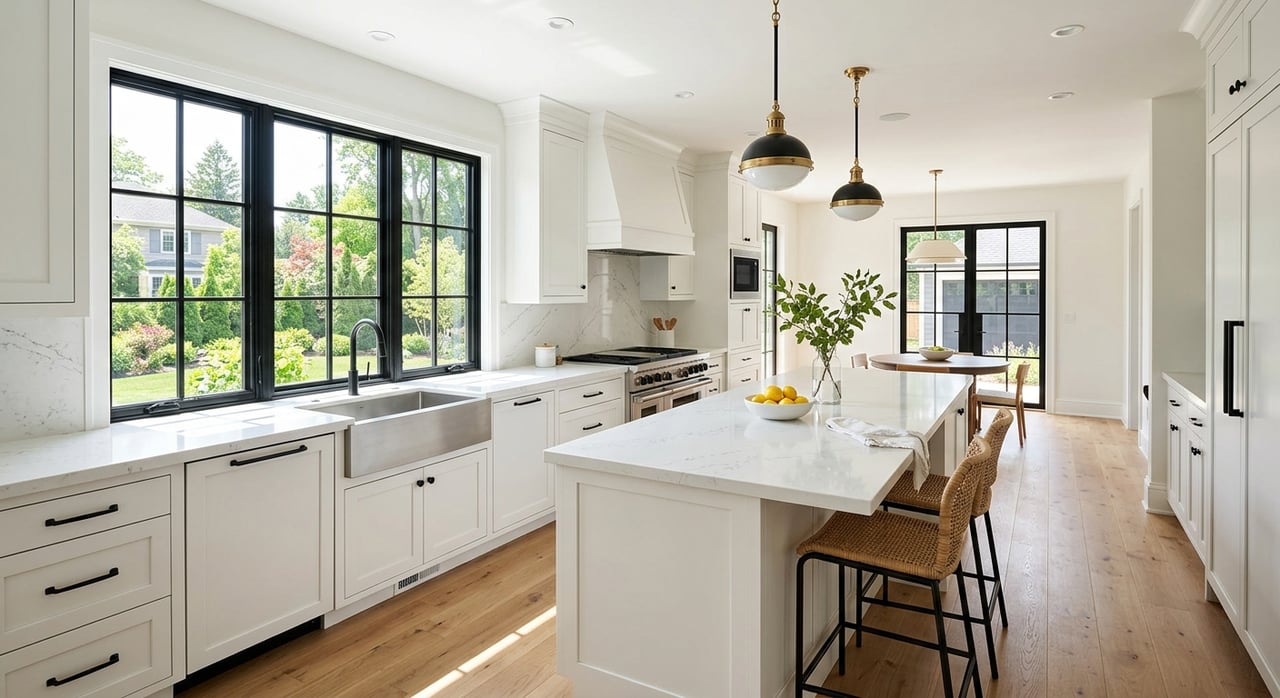
You do not need a full remodel to improve your kitchen’s impact. Clear the counters, clean every surface thoroughly, replace burned-out bulbs, and address small wear items like stained caulk or loose hardware.
Dining room
If you have a separate dining area, make sure it looks intentional. Even a simple, uncluttered setup can help buyers understand how the space can be used.
Photography matters as much as showings
Many buyers will meet your home online before they ever schedule a tour. That means your prep work needs to support the listing media, not just the in-person visit.
NAR’s 2025 survey found that 73% of buyers’ agents said photos were much more or more important, while 48% said videos were much more or more important. That makes visual presentation a key part of your sale strategy.
This is one reason decluttering, lighting, and staging matter so much. A home can be well maintained, but if it looks dark, crowded, or visually busy in photos, buyers may never take the next step.
Consider a pre-listing inspection
A pre-sale inspection is not required, but it can be useful as part of your planning. NAR’s consumer guidance says it can help identify issues you may want to repair before showings and can help differentiate the property.
Inspectors typically assess major components such as the structure, exterior, roof, plumbing, electrical, heating and air conditioning, interiors, ventilation and insulation, and fireplaces. That gives you more time to decide how to handle problems before they surface during buyer negotiations.
In practical terms, a pre-listing inspection can help you choose among three paths:
- Repair the issue before listing
- Disclose the issue and leave it as-is
- Price with the issue in mind
That can give you more control over the process and reduce the chance of last-minute surprises.
Understand Illinois disclosure rules
In Illinois, preparation is not only about cleaning and repairs. It also includes disclosure.
Under the Illinois Residential Real Property Disclosure Act, sellers must complete the disclosure report and deliver it to the buyer before signing the contract. Sellers must disclose material defects they actually know about, and if they become aware of an error, inaccuracy, or omission before closing, they must supplement the disclosure in writing.
The statute also states that the disclosure report is not a substitute for inspections and that a property may still be sold in as-is condition. For you as a seller, the key is to be thoughtful, accurate, and timely as you prepare your home for market.
A simple two-to-four-week prep plan
If your listing date is approaching, a structured plan can keep you focused. Here is a practical checklist based on the research.
Week 1: Walk the home critically
Go room by room as if you were both a buyer and a home inspector. Look for loose fixtures, water stains, chipped paint, worn caulk, dirty grout, and spaces that feel overcrowded.
Week 2: Deep clean and declutter
Clean every room thoroughly, including windows, floors, walls, carpets, and lighting fixtures. Pack away extra decor, personal items, and anything that makes storage, countertops, or corners feel tight.
Week 3: Handle small repairs
Tackle the visible maintenance items that create hesitation. Small fixes can keep buyers from wondering what bigger issues may be hiding.
Week 4: Finish exterior and staging details
Trim landscaping, clean up the front entry, and focus your staging on the living room, primary bedroom, kitchen, dining room, and exterior approach. Gather warranties, manuals, repair receipts, and contractor paperwork so they are ready if questions come up.
Match the prep to your price point
Not every Plainfield home needs the same prep budget. With citywide pricing ranging across different ZIP codes, your best plan should reflect your home’s likely buyer expectations and competitive set.
That is where tailored guidance matters. A strategic prep plan helps you avoid two common mistakes: under-preparing a home that needs stronger presentation, or overspending on upgrades that may not move the needle before listing.
Final thoughts on selling well in Plainfield
A successful sale usually starts before your home ever hits the market. In Plainfield, where buyers often have choices and timelines can stretch over several weeks, thoughtful preparation can help your home show better, photograph better, and support stronger pricing confidence.
The goal is not perfection. The goal is to remove distractions, highlight the features buyers value most, and enter the market with a presentation plan that fits your home and your price range.
If you are getting ready to sell and want a tailored plan for your timeline, presentation, and pricing strategy, connect with Kui Hu for polished, hands-on guidance designed to help your Plainfield home stand out.
FAQs
What should I fix before selling a home in Plainfield?
- Focus first on visible issues that create buyer doubt, such as chipped paint, worn caulk, dirty grout, loose fixtures, carpet stains, and minor curb appeal concerns.
Is staging worth it for a Plainfield home sale?
- Staging can help buyers picture themselves in the home, and NAR’s 2025 survey found that 83% of buyers’ agents said staging made that easier.
Which rooms matter most when staging a home for sale?
- The top rooms to prioritize are the living room, primary bedroom, and kitchen, with the dining room also commonly staged.
Should I get a pre-listing inspection before selling in Illinois?
- A pre-listing inspection is not required, but it can help you identify issues early so you can decide whether to repair, disclose, or price around them before negotiations.
What disclosures are required when selling a home in Illinois?
- Under Illinois law, sellers must complete and deliver the residential real property disclosure report before the buyer signs the contract, and known material defects must be disclosed.
How long does it take to sell a home in Plainfield?
- Public market trackers show selling timelines measured in weeks, with reported median days on market ranging from 25 to 73 depending on the source and timeframe.
